

Exploring the Significance of Christ and the Antichrist
- quantuminfinitycon
- Nov 14, 2023
- 9 min read
Unveiling Prophecies and Understanding Theology

Introduction
The significance of Christ and the Antichrist in Christian theology is a topic of considerable interest and importance. The juxtaposition of these two figures is central to Christian eschatology, shaping the faith's understanding of salvation history and the end of times. As we delve into this topic, we will explore the character and roles of both Christ and the Antichrist, as presented in the Bible and interpreted throughout Christian history. The interplay between these two opposing entities forms a distinctive narrative, underscoring the cosmic struggle between good and evil, truth and deception, and ultimately, life and death.
The Concept of Christ
Understanding the Role of Jesus as the Christ, the Anointed One
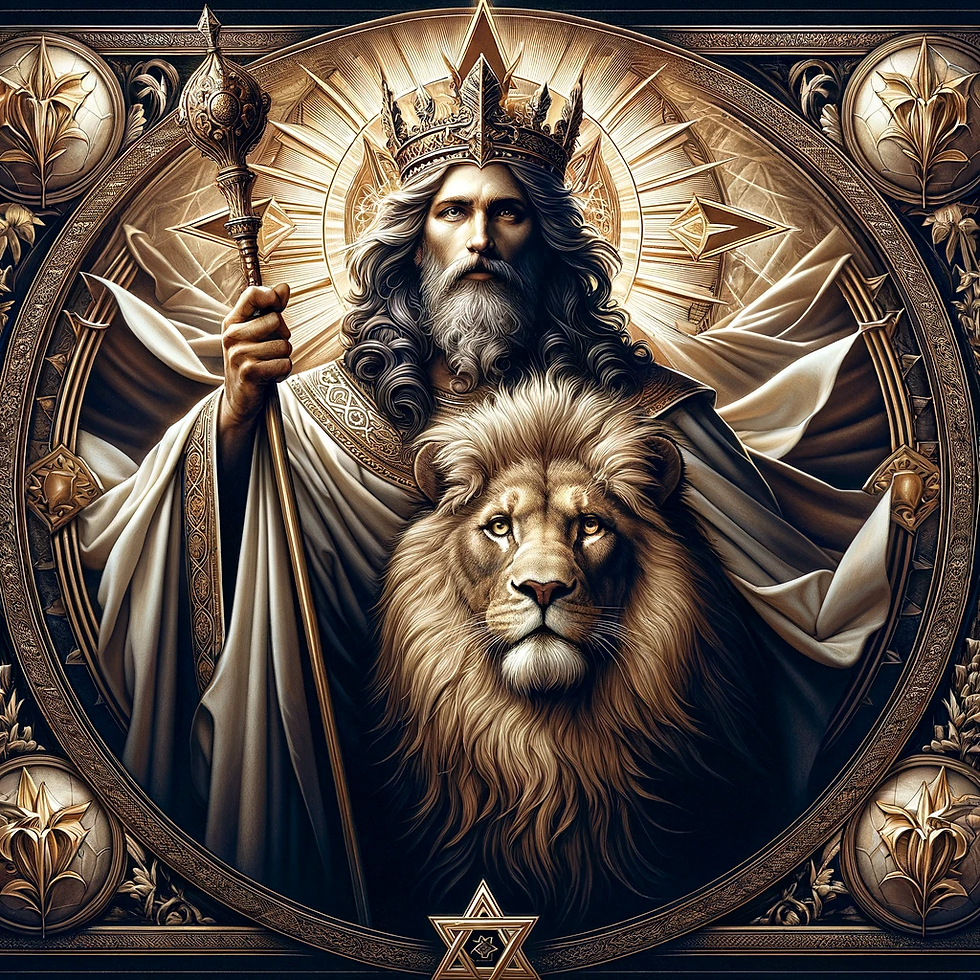
In Christian theology, Jesus is revered as Christ, a title derived from the Greek word "Christos," which means "anointed one." This title denotes Jesus as the promised Messiah referenced throughout the Old Testament, the chosen one sent by God to redeem humanity from the bondage of sin. As such, Jesus Christ is seen not merely as a historical figure, but as God incarnate, the second person of the Holy Trinity. His arrival on earth, teachings, healing miracles, sacrificial death, and resurrection are all pivotal events that validate His identity as the Christ.
In addition to the salvific role Jesus plays, His teachings also reinforce His divine identity. From His Sermon on the Mount, which reinterprets the Law, to His parables that reveal the nature of God's Kingdom, Jesus constantly demonstrated His authority and knowledge of divine truth. His miracles further authenticate His Christhood; His power to heal the sick, control nature, and raise the dead are signs of His divine power and mercy.
The Concept of the Antichrist
Defining the Antichrist as a Figure Opposing Christ in Christian Beliefs
The figure of the Antichrist serves as a stark contrast to the Christ. The term "Antichrist" is explicitly used in the First and Second Epistles of John in the New Testament. It denotes an entity that opposes Christ, denying the Father and the Son, and rejecting the central teachings of Jesus. While the term itself is specific to these Epistles, similar concepts are found throughout the New Testament, where warnings against false prophets and false messiahs echo the same concern.
In the book of Revelation, the Antichrist is associated with various symbols, such as the "little horn" in Daniel's vision, the "man of sin" in Paul's Second Epistle to the Thessalonians, and the Beast of the Sea. These symbols encapsulate the Antichrist's role as a powerful deceiver who seeks to lead people astray from God and establish a counterfeit kingdom. The Antichrist is presented as a parody of Christ, imitating Christ's miracles and authority to deceive and lead people away from the truth.
Biblical Passages Discussing Christ and the Antichrist
Analyzing Key Bible Passages that Mention Christ and the Antichrist
The Bible, particularly the New Testament, offers significant insights into the concepts of Christ and the Antichrist. Passages from the Gospels, Epistles, and the book of Revelation contribute to building these concepts. The First and Second Epistles of John specifically address the issue of the Antichrist, warning believers of deceivers who deny the incarnation of Jesus Christ. This denial of the unique relationship between the Father and the Son is a defining characteristic of the Antichrist.
In the book of Revelation, the figure of the Antichrist is further developed. Here, the Antichrist is depicted as a powerful and deceptive figure who rises to prominence during the end times. His reign, however, is ultimately defeated by the returning Christ. This battle between Christ and the Antichrist, between good and evil, forms the climactic narrative of Revelation, encapsulating the Christian belief in Christ's ultimate victory over all forces of evil.
The Antichrist in Christian Apocalyptic Worldview
The Role of the Antichrist in the Apocalyptic Outlook of Christianity
The Antichrist plays a pivotal role in the apocalyptic worldview of Christianity. From this perspective, the Antichrist is seen as Satan's primary agent on Earth during the end times, leading a great rebellion against God. The Antichrist is often depicted as a charismatic world leader who promises peace and unity, gaining widespread followers through his deceitful promises.
However, this period of false peace is short-lived, giving way to widespread chaos and destruction. The book of Revelation prophesies the ultimate defeat of the Antichrist at the Battle of Armageddon, where Jesus exposes the Antichrist as an impostor and brings ultimate judgment upon him. This conflict between Christ and the Antichrist underscores the cosmic battle between good and evil, exemplifying the Christian belief in Christ's ultimate victory over sin and death.
Prophecies and Interpretations
Unraveling the Chronology of Events Related to Christ and the Antichrist
The prophecies surrounding Christ and the Antichrist have been the subject of various interpretations throughout Christian history. Different theological perspectives and eschatological understandings have led to diverse theories about the sequence of events leading to the Second Coming of Christ. Some interpreters suggest a pre-millennial view, where Christ's return precedes a literal thousand-year reign. Others advocate for an amillennial view, where the thousand-year period is seen symbolically. There are also post-millennial views, which believe that Christ's return comes after a period of spiritual growth and societal transformation.
These diverse interpretations, while different in their specifics, all emphasize the ultimate triumph of Christ over the Antichrist. They also reflect the complexity and the dynamic nature of biblical prophecies, encouraging continuous study and discernment among believers to understand God's unfolding plan.
The Antichrist's Characteristics in Prophecies
Describing the Antichrist's Character Traits as Portrayed in Biblical Prophecies
The Antichrist, according to biblical prophecies, possesses certain distinctive characteristics. He is believed to rise to a position of immense power and authority, promising peace and security to deceive the masses. His charisma and deceptive promises enable him to gain widespread influence and control, leading many away from the truth of God.
In addition to his charismatic leadership, the Antichrist is also prophesied to gain control of the world economy. He exerts authority over trade and commerce, manipulating the economic systems to further his agenda. The Antichrist's reign also includes a marking system, where people are forced to receive the mark, the number 666, signifying their allegiance to the Antichrist. This control over both political and economic systems exemplifies the Antichrist's deceptive power and his opposition to God's Kingdom.
The Prophecies of Christ and Antichrist in the Bible
Insights from Church Fathers and Holy Scriptures on the Prophecies of Christ and the Antichrist
The prophecies of Christ and the Antichrist, as described in the Bible, have been subjects of extensive study and commentary by the Church Fathers. They drew insights from the Holy Scriptures to provide a deeper understanding of these prophecies and their implications for the Church. For instance, the use of symbols in the Bible to represent Christ and the Antichrist, such as lions and bears, was extensively analyzed by the Church Fathers.
These symbols, they argued, not only represent the contrasting nature of Christ and the Antichrist but also provide profound insights into their roles in the cosmic drama of salvation history.
Comparing and contrasting the prophecies of various biblical books like Daniel, Isaiah, and Revelation can provide a fuller picture of God's plan for human history. It can help us see the overarching narrative of God's redemptive plan, from the promise of a Messiah in the Old Testament, to the arrival of Christ in the Gospels, and the final confrontation between Christ and the Antichrist in Revelation.
The Role of Prophets in Foretelling the Future
Understanding the Prophets' Significance in Foretelling Future Events
In the biblical narrative, prophets play a crucial role in unveiling the future and interpreting God's will. They act as messengers of divine revelation, often delivering God's messages in the midst of challenging circumstances. They call people to repentance, warn of divine judgment, and promise divine deliverance and restoration. In the context of the prophecies concerning Christ and the Antichrist, the prophets' words provide invaluable insights into God's plan for the end times and the final victory of good over evil.
The prophetic tradition in ancient Israel, which included figures like Isaiah and Daniel, significantly influenced the development of end times prophecies and the concept of the Messiah. The messages conveyed by these prophets serve as a guide for believers, deepening their understanding of God's plan and preparing them for the fulfillment of His promises.
Alignment of Prophecies
Aligning the Prophecies of Daniel and Isaiah with the Prophecies of John in Revelation
When we compare the prophecies of Daniel and Isaiah with those of John in the book of Revelation, we find remarkable alignment and consistency. Despite being written in different times and contexts, these prophecies share common themes and elements, such as the promise of a Redeemer, the emergence of a deceiving figure (the Antichrist), and the ultimate triumph of God's Kingdom.
By aligning these prophecies, we can gain a holistic understanding of the biblical narrative of salvation history. It allows us to see the coherence of God's plan from the Old to the New Testament and the interconnection between various biblical books. This alignment of prophecies underscores the unity of the Bible's message and its consistent portrayal of God's plan for redemption.
Judgment and Destruction of Babylon
Exploring the Symbolic Meaning of the Judgment and Destruction of Babylon
The book of Revelation speaks of the judgment and destruction of Babylon, a symbol representing the forces of evil and corruption. In biblical prophecy, Babylon is depicted as a world system opposed to God, characterized by luxury, immorality, and idolatry. The judgment of Babylon represents God's justice upon a world that has rejected Him and chosen the path of sin.
The destruction of Babylon signifies the ultimate triumph of God's people over the forces of darkness. It is a powerful reminder of God's justice and His promise to eradicate evil. This prophetic event underscores the hope that Christians have in God's ultimate victory and the establishment of His eternal Kingdom.
The Antichrist in History and Theology
The Evolution of the Concept of the Antichrist in Jewish and Christian Texts
The concept of the Antichrist has evolved over the course of Jewish and Christian history. In the early Church, the Antichrist was seen as a future figure who would deceive many by pretending to be the Messiah. However, Post-Nicene Christianity interpreted the Antichrist more broadly, viewing any force or individual opposing Christ's teachings as a manifestation of the Antichrist.
The Protestant Reformation brought another perspective, with many reformers identifying the Pope as the Antichrist. They saw the Pope's claim to spiritual authority over the Church as a usurpation of Christ's role, hence labeling him as the Antichrist. These diverse interpretations underscore the multifaceted nature of the Antichrist concept and its significance in understanding the historical and theological development of Christianity.
Theology and Interpretation of the "Little Horn," the "Man of Sin," and the Beast of the Sea
Examining the Theological Significance of the "Little Horn," the "Man of Sin," and the Beast of the Sea
The figures of the "little horn," the "man of sin," and the Beast of the Sea are prominent symbols in biblical prophecies related to the Antichrist. The "little horn" in Daniel's vision is often interpreted as a symbol of the Antichrist's deceptive power and opposition to God's people. The "man of sin" in the Second Epistle to the Thessalonians and the Beast of the Sea in Revelation are also associated with the Antichrist, representing his deceptive nature and opposition to God.
These symbolic figures, while shrouded in apocalyptic imagery, carry profound theological meanings. They help us understand the nature of the Antichrist's opposition to God and his deceptive strategies. Interpretations of these symbols have varied across different Christian traditions, yet they all underscore the Antichrist's role as a counterfeit Christ and his ultimate defeat by the returning Christ.
Conclusion
Understanding the prophecies about Christ and the Antichrist is crucial for Christians as they navigate their faith journey. These prophecies not only provide insights into the future but also offer spiritual guidance and encouragement. They remind Christians of the victory of Christ over sin and death and warn them of the deceptions of the Antichrist.
By studying these prophecies, Christians are called to remain vigilant and discerning, aware of the Antichrist's deceptive tactics, and anchored in the truth of Christ's teachings. Through a deepened understanding of these prophecies, Christians can live their faith with confidence and hope, eagerly awaiting the glorious return of Jesus Christ and the fulfillment of God's redemptive plan.
Recommended Resources
For those interested in delving deeper into the topic of Christ and the Antichrist, the book "The Antichrist: On Christ and Antichrist" by Saint Hippolytus and S.C.G. Jerome is highly recommended. This work provides an early Christian perspective on the Antichrist and offers valuable insights into the interpretation of prophecies.
Other recommended readings include texts from the Church Fathers and scholarly works on Christian eschatology. These resources offer a wealth of knowledge and insights, enriching our understanding of the profound and complex topic of Christ and the Antichrist. By engaging with these resources, we can deepen our theological knowledge and grow in our spiritual journey. Please visit our Affiliate Sponsor PREDRAFT.AI OR Please Help Fund My Global Reality by Clicking Here, anything helps. Thank you for YOUR Support, you are appreciated and loved!


Comments